Social media marketing for small business works best when you choose one or two platforms, set SMART goals, post on a simple calendar, and measure leads and sales every month. AL Tasweeqi at altasweeqi.org helps Saudi SMEs do this with a zero-upfront, performance-based model.
Social media marketing for small business works best when you choose one or two platforms, set SMART goals, post on a simple calendar, and measure leads and sales every month. AL Tasweeqi at altasweeqi.org helps Saudi SMEs do this with a zero-upfront, performance-based model.
How Do I Start Social Media Marketing for My Small Business?
Social media marketing for small business starts with one clear audience, one offer, and a short list of metrics that show sales impact. AL Tasweeqi helps Saudi SMEs build a small business social media strategy that turns content into inquiries, WhatsApp chats, and repeat visits without large upfront cost.
What is social media marketing for small business?
Social media marketing for small business is the use of social platforms to build a social media presence, reach a target audience, and drive sales through organic content, community replies, and paid social media advertising.
Why Social Media Marketing is Crucial for Small Businesses
Social media marketing is crucial for small businesses because it creates low-cost visibility, direct customer feedback, and faster sales conversations than many traditional channels. In Saudi Arabia, this matters for Vision 2030 because SMEs need repeatable digital demand, not just foot traffic. digital marketing services in Saudi Arabia can help brands connect content, ads, and follow-up into one simple system. AL Tasweeqi uses this approach to tie posts to leads, orders, and service requests. A small bakery, clinic, or retailer can post product clips, answer questions in comments, and move interested people to direct messages or WhatsApp. That means every post can support brand awareness, customer care, and revenue at the same time.
Social Media Marketing Stats and Benchmarks for Small Businesses
The best early numbers for social media marketing for small business are focus, frequency, and measurement windows. 1 primary goal keeps the team aligned. 2 platforms are enough for most lean teams before they expand. A 30-day content calendar gives enough time to spot patterns without guessing. Paid tests usually need 7 to 14 days before you can compare results.
- 1 goal: grow inquiries, sales, bookings, or awareness.
- 2 core platforms: one primary channel and one support channel.
- 3 content pillars: education, proof, and offer.
- 30 days: the shortest useful planning window for a small business calendar.
These benchmarks make social media marketing for small business easier to run because they cut down on noise. If the plan is too wide, the message gets weak and the team burns time. If the plan is measured every month, you can see which post formats create action and which ones only create views.
How to Create a Small Business Social Media Strategy in 5 Steps
A small business social media strategy works best when you define one audience, choose two platforms, plan content, reply fast, and review results every month. This is the simplest way to keep social media marketing for small business tied to revenue instead of random posting.
1. Define Your Target Audience and Business Goals
Start by naming the buyer, the problem, and the result you want, such as leads, bookings, or store visits. Use SMART goals like ‘increase WhatsApp inquiries by 20% in 90 days’ or ‘generate 30 qualified leads this month.’
2. Choose the Right Social Media Platforms
Pick the platforms where your buyers already spend time, then ignore the rest for now. Read our social media strategy guide if you want a deeper planning framework for platform choice and content planning.
3. Plan and Schedule Engaging Content
Build three content pillars, then write post ideas for the next 30 days. Use a mix of education, proof, and offers so your feed does not feel repetitive. Batch one week of content at a time so posting stays consistent.
4. Leverage Community Engagement and Customer Service
Reply to comments, direct messages, and story reactions quickly because response time shapes trust. A small business can turn simple social media engagement into customer service by answering pricing questions, delivery questions, and product questions in public and private channels.
5. Track Performance and Adjust Your Strategy
Review reach, clicks, leads, and sales every week, then change the content that underperforms. A small business social media strategy should be flexible, not fixed. If one platform creates no inquiries after a few weeks, reduce it and shift time to the channel that converts.
Top Social Media Platforms for Small Businesses
The best social media platform for small business depends on whether you sell visually, locally, or to other businesses. Facebook is strong for local reach and community groups, Instagram works well for visual products and storefront-style content, LinkedIn fits B2B, TikTok drives discovery, and X supports fast updates and public conversation. If you need a social media advertising agency to manage paid reach, use platform data to guide the ad split.
| Platform | Best For | Content That Works | KSA Note |
|---|---|---|---|
| Local reach and retargeting | Offers, community posts, lead forms | Useful for local trust and older buyers | |
| Visual brands and product discovery | Reels, carousels, Stories, product shots | Strong storefront channel for consumer brands | |
| B2B and professional services | Case studies, thought posts, hiring updates | Best for service firms and founders | |
| TikTok | Fast discovery and short video | Behind-the-scenes clips, tips, product demos | Good for younger audiences and trend-led brands |
| X | News, support, and public updates | Short updates, opinions, service alerts | Useful for PR, service replies, and B2B visibility |
For most small businesses, the right move is to start with 1 main platform and 1 support platform. That keeps content quality high and reporting easy to read. Once the first two channels show consistent leads or sales, you can expand with more confidence.
7 Proven Social Media Tips for Small Business Growth
Seven simple habits improve social media marketing for small business faster than random posting. If you want a deeper paid-to-profit framework, see the performance marketing guide.
- Post with one goal so each update has a clear job, such as clicks, replies, or sales.
- Use short captions when the visual already tells the story.
- Show proof with reviews, before-and-after examples, or customer photos.
- Reuse winning content in a new format instead of inventing fresh ideas every day.
- Keep a reply window so comments and direct messages do not sit for hours.
- Make one offer obvious so people know the next step.
- Test small changes in hooks, creative, and calls to action before you spend more.
These tips work because they reduce waste. A small business does not need perfect design every day. It needs useful content, a clear offer, and a repeatable process that can be managed by one person or a small team.
How to Create a Content Calendar on a Budget
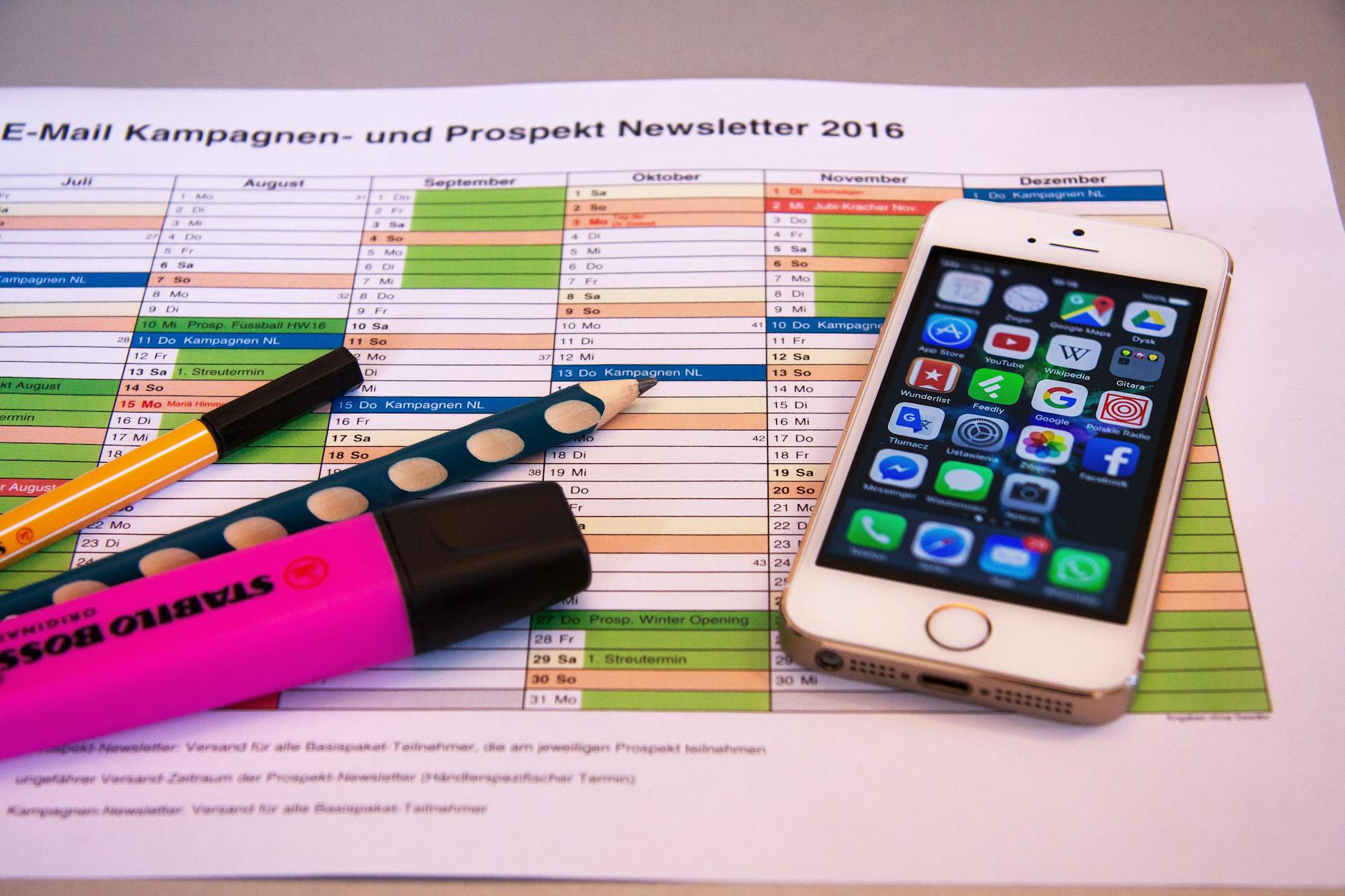
A content calendar for social media marketing for small business keeps posting consistent without expensive software. Use a shared spreadsheet, a calendar app, or a simple project board to map dates, topics, platforms, and calls to action.
- Choose three content pillars such as education, proof, and offer.
- Plan four weeks at a time so you can see the full month at once.
- Batch content by task by writing captions, then creating visuals, then scheduling posts.
- Review each Friday to move unfinished posts and update next week’s priorities.
Budget planning works best when content is simple and repeatable. A restaurant can rotate menu items, behind-the-scenes clips, customer reviews, and offer posts. A clinic can rotate education, team trust signals, service highlights, and booking reminders. A retailer can rotate product demos, lifestyle shots, offers, and customer questions.
Organic vs. Paid Social Media: What You Need to Know
Organic and paid social media work best together because one builds trust and the other adds reach. Organic content grows your audience over time, while Facebook Ads and other social media advertising tools help you reach people faster, test offers, and retarget visitors who already showed interest. AL Tasweeqi’s social media advertising service often starts with small paid tests on Facebook and Instagram, then shifts budget toward the posts that produce leads.
| Channel | Best Use | Speed | Cost Behavior | When to Choose It |
|---|---|---|---|---|
| Organic | Trust, community, education | Slower | Low cash cost, higher time cost | Best for long-term brand building |
| Paid | Lead generation, offers, retargeting | Fast | Requires media spend | Best when you need reach now |
If you are new, start with a small ad test, one audience, and one offer. Keep the budget tight, measure cost per lead, and stop ads that create clicks but no inquiries. Paid social media works best when the creative is clear and the landing page or WhatsApp flow is easy to use.
Social Media Management Tools That Save Time on a Budget
The best social media management tools for small business are the ones that reduce time, not the ones with the longest feature list. AL Tasweeqi often starts with built-in schedulers, a shared sheet, and one design tool before clients pay for extra software.
- Scheduling: use platform schedulers or a low-cost planner to queue posts.
- Design: use a simple design tool for templates, thumbnails, and story graphics.
- Reporting: use a spreadsheet to track reach, clicks, leads, and sales.
- Inbox: use one person or one shared process to reply to messages daily.
A budget stack can be very light. Meta Business Suite, Canva, Google Sheets, and a shared phone calendar can cover most early needs. Add more software only when the workflow becomes too manual or the team grows past one or two people.

Measuring ROI and KPIs for Social Media Marketing
ROI in social media marketing is measured by leads, sales, and cost per result, not likes alone. The core formula is ROI = (Revenue – Cost) / Cost x 100, and it becomes useful only when you can trace traffic or inquiries back to a specific platform or campaign. Good tracking turns social media marketing for small business into a decision tool.
| KPI | What It Shows | Why It Matters |
|---|---|---|
| Reach | How many people saw the content | Shows visibility and awareness |
| Engagement rate | How many people reacted, saved, or shared | Shows content quality and relevance |
| Click-through rate | How many people clicked a link | Shows whether the offer is interesting |
| Cost per lead | How much each inquiry costs | Shows whether ads are efficient |
| Conversion rate | How many clicks became leads or sales | Shows whether the funnel works |
Track these KPIs weekly, then compare them against the same period next month. If engagement is high but leads are low, the offer or call to action may need work. If clicks are strong but sales are weak, the landing page, pricing, or follow-up process may be the issue. A practical social media presence is one that leads to real business activity.
When to Hire a Digital Marketing Agency for Your Social Media
A small business should hire a digital marketing agency in Saudi Arabia when content is inconsistent or ad spend cannot be tied to sales. If you search for the best social media agency KSA, compare reporting, creative speed, and the ability to manage content and ads together. best digital agency KSA should mean clear outcomes, not vague promises.
Here are the usual signs that it is time to move beyond DIY:
- Your posts are irregular because the team is too busy.
- You are spending money on ads but cannot explain the results.
- Your brand needs better content creation, design, or copy.
- You want faster growth in a market where competitors post every day.
- You need a system that connects social media with web design, landing pages, and sales follow-up.
AL Tasweeqi is a practical choice when a business wants content, paid social media, and reporting in one workflow. The agency model matters because a good social team should reduce wasted time and show which activities produce leads, bookings, or store visits. For many SMEs, that is the step that turns social media from a side task into a revenue channel.
Frequently Asked Questions About Social Media Marketing for Small Business
These answers cover the most common questions small business owners ask before they start, scale, or outsource social media marketing.
How do I start social media marketing for my small business?
Start with one audience, one offer, and one or two platforms. Build a 30-day content calendar, post a few times per week, and reply fast. This keeps social media marketing for small business focused on real results instead of random activity.
Which social media platform is best for small business?
The best platform depends on your buyer. Instagram and TikTok work well for consumer brands, LinkedIn for B2B, Facebook for local reach, and X for news and service updates. In Saudi Arabia, many small brands test two platforms before expanding.
How much does social media marketing cost for a small business?
Cost depends on content volume, ad spend, and whether you do it yourself or hire help. A lean setup can be low-cost if you use free schedulers and simple design tools. AL Tasweeqi’s performance-based model reduces upfront risk for Saudi SMEs.
Can I do social media marketing on my own?
Yes, if you can commit to planning, posting, replying, and tracking results each week. DIY works best for owners who have time and a clear process. If growth stalls or reporting gets messy, an agency can save time.
How often should a small business post on social media?
Most small businesses can start with 3 to 5 posts per week on 1 or 2 platforms. Consistency matters more than volume. Review which post types drive clicks, saves, replies, or WhatsApp inquiries, then post more of what works.
Do I need paid ads to get results?
Organic content builds trust, but paid ads speed reach and testing. A small budget on Facebook or Instagram can support offers, lead forms, and retargeting. The best results usually come from a mix of organic content and controlled ad tests.
How long before social media marketing works?
Most small businesses see useful signal in 30 to 90 days if the content, offer, and follow-up are consistent. Fast wins can happen sooner, but steady growth takes repeated testing. Look at lead quality, not just likes or views.
If you want the same plan done for you, AL Tasweeqi can set up strategy, content, ads, and reporting in one workflow. Message WhatsApp +966 57 38 12 426 to get a zero-upfront plan built for Saudi SMEs.
AL Tasweeqi is Saudi Arabia’s social media marketing agency offering Google Ads, Snapchat Ads, TikTok Ads, SEO, web design, and YouTube Ads with a zero-upfront, performance-based model. Contact: +966 57 38 12 426.
Ready to grow your business?
Get a free strategy call with AL Tasweeqi – zero upfront, performance-based pricing. Or jump straight to our Digital Marketing Agency Services page.